If you have ever driven through Coral Gables and wondered why the city feels so distinct, the answer is not just the homes themselves. It is the way architecture, landscaping, setbacks, and public spaces work together to create a consistent sense of place. If you are buying, selling, or simply studying the market, understanding that design language can help you see value more clearly. Let’s dive in.
Why Coral Gables Looks Different
Coral Gables was planned in the 1920s as a City Beautiful and Garden City project, and that original vision still shapes the city today. Official city materials point to George Merrick and designers like Denman Fink, Phineas Paist, and Frank Button as key figures behind a community where buildings and landscape were meant to read as one composition.
That planning legacy is still visible in the streetscape. Coral Gables describes itself through lush avenues, winding residential streets, and historic landmarks, which helps explain why the city often feels more curated than a typical neighborhood pattern. More than 1,000 properties are listed on the Coral Gables Register of Historic Places.
Mediterranean Revival Sets the Tone
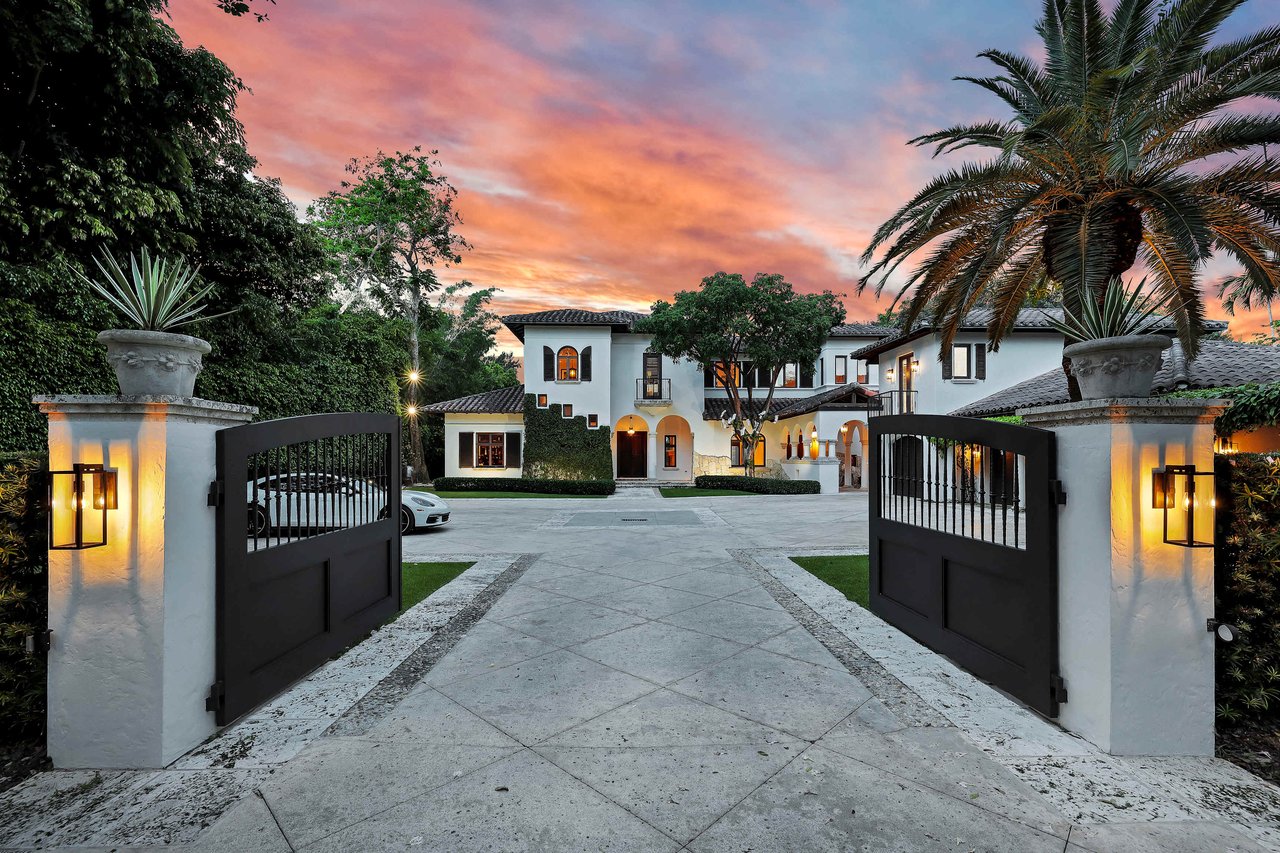
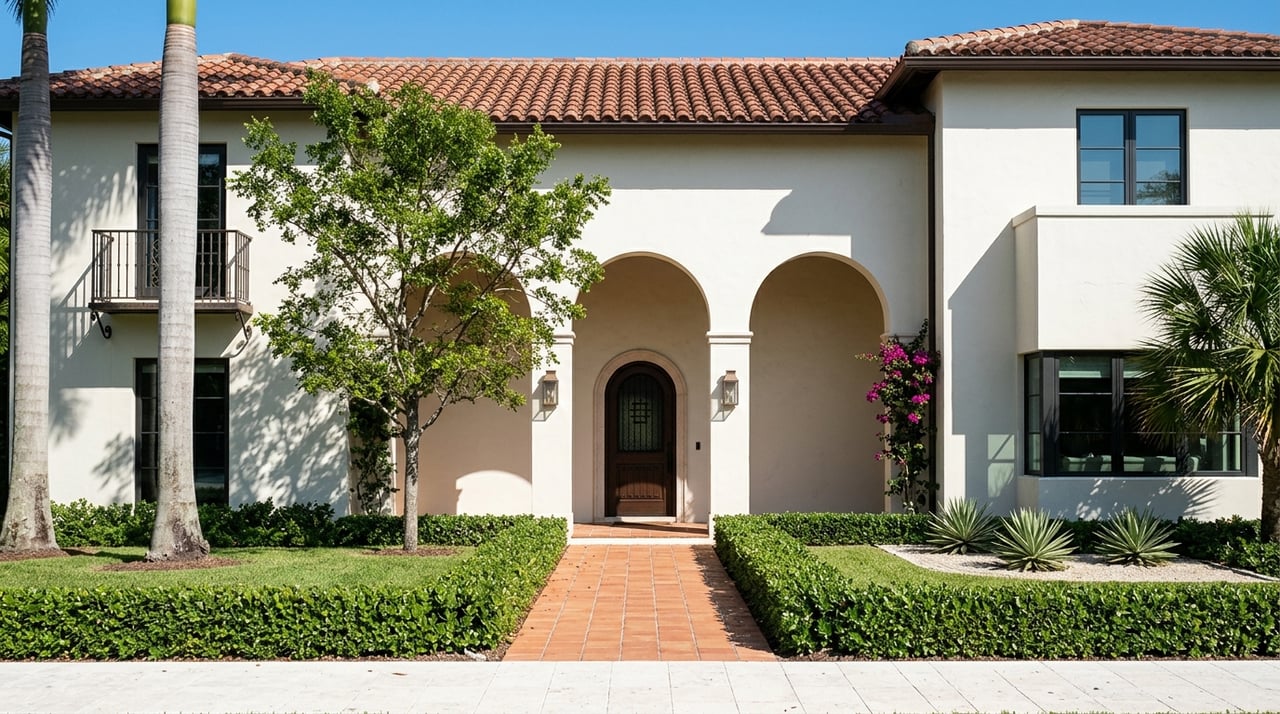
The signature architectural language in Coral Gables is Mediterranean Revival. Within that broader style, you will also see Spanish Revival and Moorish influences, but Mediterranean Revival is the most accurate umbrella term.
In Coral Gables, this style is not just a nod to the past. City design materials describe it as part of Merrick’s long-term vision for the community, and current standards still encourage new development to stay visually connected to the historic fabric. That continuity is a big reason the city has such a recognizable identity.
What You Will Notice First
Many Coral Gables homes share a familiar set of visual details. You will often see:
- Stucco walls
- Clay barrel-tile roofs
- Arches and arcades
- Courtyards and loggias
- Wrought-iron detailing
- Coral rock, limestone, or other masonry elements
- Warm, restrained exterior colors
These features give homes a textured, layered look. Instead of feeling flat or purely ornamental, they create depth through shade, proportion, and materials.
Why the Style Works in South Florida
Coral Gables architecture is not only attractive. It is also climate-responsive. City materials highlight thick walls, open-air rooms, and finishes that work well with light and shadow, while current design guidance encourages windows and doors that connect the home to the street and garden.
That matters because it shapes how a property feels day to day. Many homes in Coral Gables feel outdoor-oriented, shaded, and visually tied to their landscaping rather than sealed off from it.
Landmarks That Define the Look
A few well-known local landmarks help illustrate the city’s signature vocabulary. Coral Gables City Hall is Mediterranean Revival and uses native oolitic limestone. The Douglas Entrance draws from Spanish hill town imagery.
Other civic landmarks continue the pattern. Coral Gables Elementary includes arcaded loggias and courtyards, Merrick House is an early coral-rock residence, and the Coral Gables Library uses Mediterranean Revival materials such as red clay roof tiles, keystone, wrought iron, and exposed beams. Together, these buildings show how consistently the city applied its design ideas across different property types.
Architecture Goes Beyond the House
In Coral Gables, the lot itself is part of the design story. The city’s single-family best practices manual explains that lot shape, frontage, setbacks, and open space all play a role in how homes fit into the neighborhood.
A typical lot should have at least 50 feet of street frontage. Front setbacks vary by street, at least half of a residential lot should remain open space, and a typical residence is limited to two stories and about 25 feet in height. Those standards help protect a lower-scale, garden-oriented streetscape.
How Setbacks Shape Daily Living
These rules influence more than appearance. They affect privacy, light, and how you experience the property from the street and from inside the home.
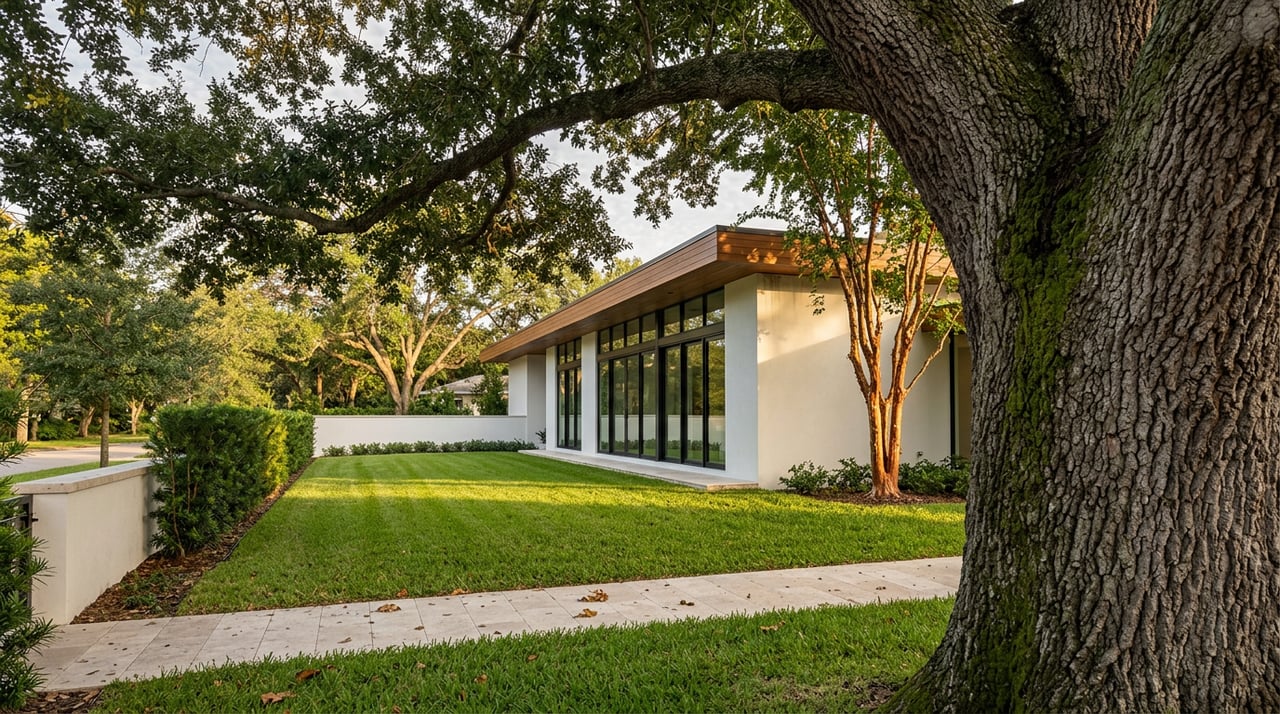
Instead of seeing garage-heavy facades dominate the front elevation, you are more likely to see lawns, planting, porches, and walkways. The city also encourages street-facing windows and doors, along with garages placed to the side or rear when possible, which keeps the street edge more pedestrian-friendly.
Why Corner Lots Feel Different
On corner lots, the city expects the house to address the narrower street with doors and windows. That requirement helps maintain a sense of presence on both sides of the property rather than creating a blank wall along one edge.
Accessory buildings are also generally set back so they do not compete with the main residence. For buyers, that often means the primary home remains the visual focal point, while outdoor space continues to feel intentional and usable.
Landscaping Is Part of the Architecture
One of the most important things to understand about Coral Gables is that landscape is not treated as an afterthought. It is part of the public realm and part of the city’s identity.
The city requires a tree survey and tree protection plan for Board of Architects submissions and demolition permits. It also defines the swale, the grassy strip in front of homes, as a functional part of the streetscape that supports stormwater management, appearance, and everyday upkeep.
This adds another layer to how you evaluate a property. Mature trees, planting patterns, and the condition of the swale can influence curb appeal, shade, and the overall feel of the home before you ever step inside.
How New Homes Fit In
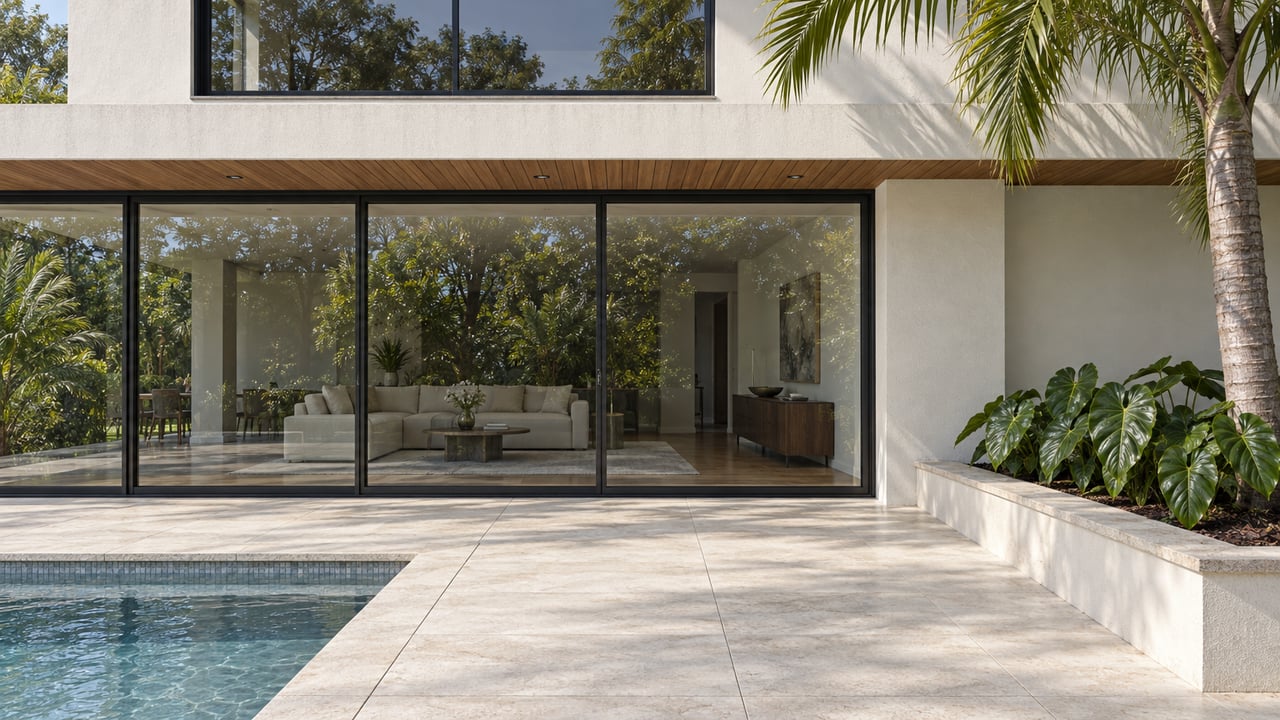
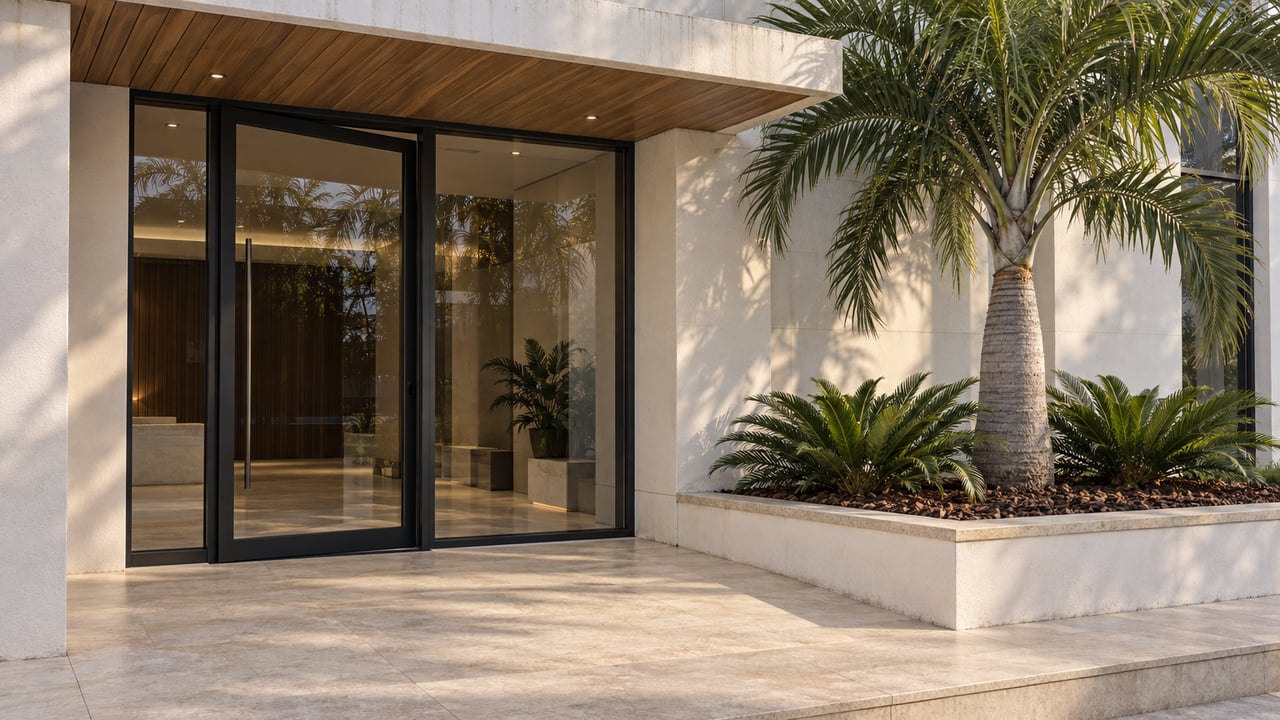
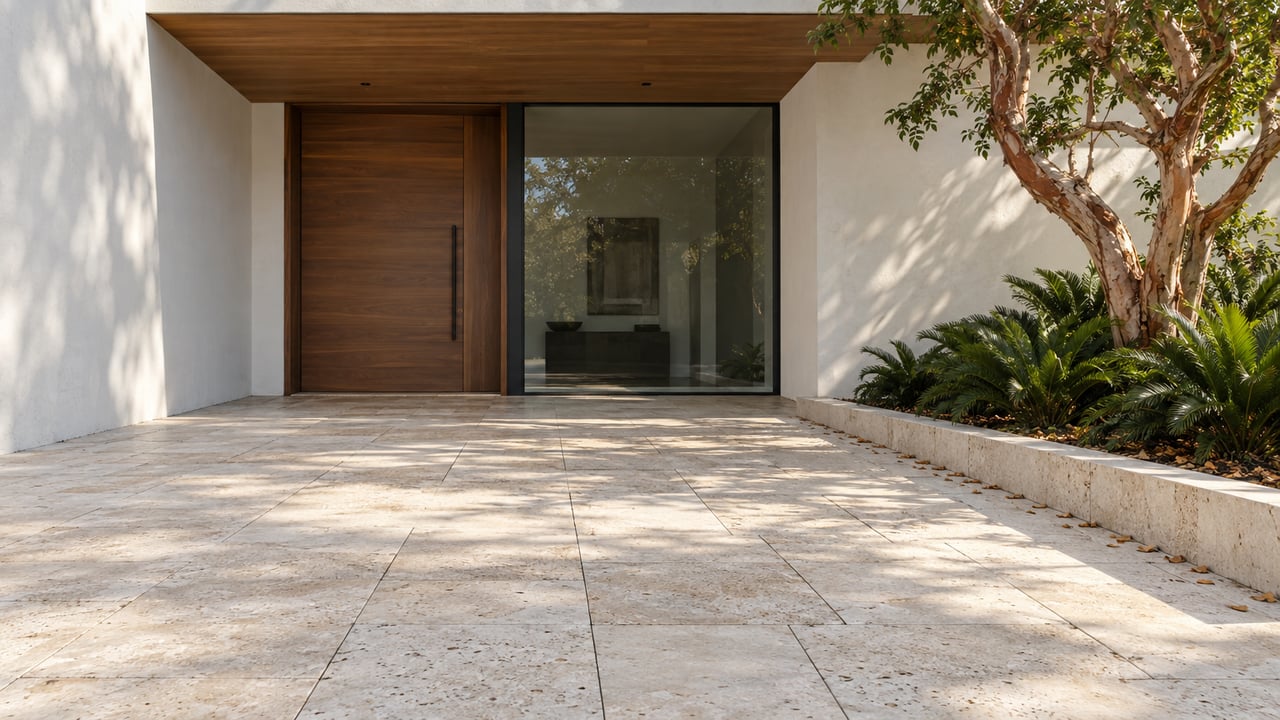
If you are comparing older homes with newer luxury construction, Coral Gables offers an interesting balance. Newer properties often borrow classic proportions and details rather than copying historic homes exactly.
City standards, including the Med Bonus program and Board of Architects review, are designed to keep newer development visually compatible with the established fabric. That review can include color, materials, fenestration, and proportion, all of which help modern homes feel connected to the character of the city.
Modern Luxury With Historic Cues
In practical terms, modern luxury in Coral Gables is usually expected to feel respectful of its setting. Even when a home is newly built or extensively renovated, the broader expectation is that it should relate to the surrounding streetscape rather than ignore it.
For design-conscious buyers and sellers, that is part of the market appeal. Compatibility tends to support a more cohesive block-by-block experience, which can matter when you are thinking about long-term value and presentation.
What Owners Should Expect
Owning a character-rich home in Coral Gables often means planning for regular exterior upkeep. Stucco finishes, clay-tile roofs, masonry, wrought iron, mature landscaping, and open-air porches all need ongoing attention to look their best.
Historic properties can involve another layer of review. Work on registered resources is reviewed through certificates of appropriateness and must align with the Secretary of the Interior’s Standards for Rehabilitation, which means changes may require more time and planning before work begins.
That does not have to be a drawback. It simply means buyers and owners should treat maintenance, review timelines, and design compatibility as part of the ownership experience.
Why This Matters in Real Estate
Architecture in Coral Gables is not just a visual preference. It is part of how value is created, protected, and perceived in the market.
If you are buying, understanding the city’s design language can help you assess whether a home feels authentically tied to its setting, how much upkeep may be involved, and how future changes could be reviewed. If you are selling, those same details can shape how your property is positioned, photographed, and presented to buyers who care about design, setting, and long-term appeal.
In a market where architecture and neighborhood character play such a central role, local guidance matters. A buyer or seller who understands the difference between generic curb appeal and true Coral Gables character is usually in a stronger position to make smart decisions.
If you are considering buying or selling a home in Coral Gables, working with advisors who understand architecture, presentation, and neighborhood context can make a meaningful difference. Connect with Boschetti Realty Group for thoughtful guidance tailored to Coral Gables luxury real estate.
FAQs
What architectural style is most common in Coral Gables homes?
- The dominant style is Mediterranean Revival, often with Spanish Revival and Moorish influences.
What design features define Coral Gables residential architecture?
- Common features include stucco walls, clay-tile roofs, arches, courtyards, loggias, wrought iron, coral rock or limestone, and restrained warm colors.
What makes Coral Gables architecture different from other Miami neighborhoods?
- Coral Gables was planned as a unified City Beautiful and Garden City community, so architecture, landscaping, streets, and public spaces were designed to work together.
What should buyers know about Coral Gables lot design and setbacks?
- City guidance emphasizes street frontage, open space, varied front setbacks, pedestrian-friendly facades, and garages placed to the side or rear when possible.
What should owners expect when maintaining a Coral Gables home?
- Owners should plan for regular upkeep of stucco, clay-tile roofs, masonry, wrought iron, landscaping, and outdoor living features, and historic properties may require additional review before changes are made.
How do newer luxury homes fit into Coral Gables architecture?
- Newer homes are generally expected to stay visually compatible with the city’s established character through review of materials, color, proportion, and other design elements.