Wondering how to buy a Pinecrest estate that truly fits the way you want to live, not just the square footage on paper? If you are looking for more land, more privacy, and room to grow, Pinecrest can be incredibly appealing, but it also rewards buyers who look closely at zoning, lot shape, trees, and access. This guide will help you think through the space and lifestyle factors that matter most so you can make a more confident purchase. Let’s dive in.
Why Pinecrest Appeals to Estate Buyers
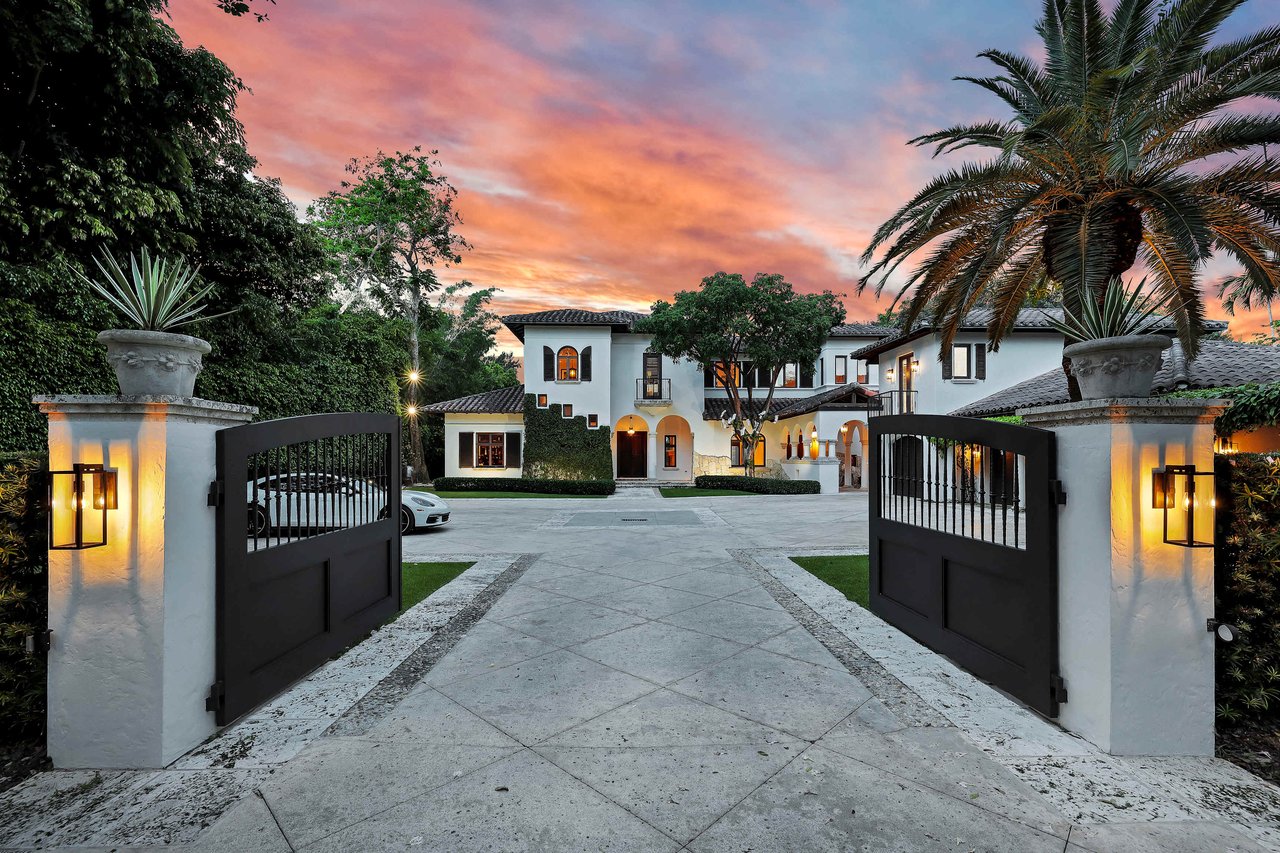
Pinecrest stands out as a compact village with an estate feel. The village spans about eight square miles and describes itself as a tree-lined residential community with large estate lots, while more than 750 businesses line its western boundary along Pinecrest Parkway. That mix gives you a rare balance of privacy and everyday convenience.
The setting also shapes the lifestyle. Pinecrest notes that it has more than 50,000 street trees and has been a Tree City USA community since incorporation, which reinforces the area’s lush, established character. Pinecrest Gardens adds another layer, serving as a 14-acre botanical and cultural destination on the former Parrot Jungle site.
For many buyers, that is the real draw. You are not simply buying a larger home. You are buying into a setting where lot size, canopy, open space, and daily livability all work together.
Start With the Lot, Not the House
In Pinecrest, the lot often tells you more than the listing photos do. A beautiful home on a large parcel can still have limits if the building envelope, setbacks, or tree preservation requirements reduce what you can actually do with the site. That is why it helps to treat the land as the foundation of your decision.
Pinecrest’s lower-density residential districts are designed to preserve estate character and open space. The zoning code includes districts such as EU-1C, EU-1, EU-S, and EU-M, each with different density standards, lot dimensions, and green-space requirements. For buyers focused on space and flexibility, those details matter as much as the house itself.
What Pinecrest zoning can mean for you
The most estate-style zoning districts generally come with larger lot requirements and stronger open-space standards. EU-1C allows one unit per 2.5 gross acres, while EU-1 allows one unit per gross acre. EU-S allows one unit per 25,000 gross square feet, and EU-M allows one unit per 15,000 net square feet.
Those districts also have minimum green-space rules. EU-1C and EU-1 require 55% minimum green space, while EU-S and EU-M require 35%. In practical terms, that helps preserve the spacious look Pinecrest is known for, but it can also limit how much of the site you can build on or pave.
Bigger acreage does not always mean easier use
A large lot can still be surprisingly constrained. The code shows minimum lot widths and depths that shape what is possible, such as 150 feet of minimum lot width and 250 feet of minimum lot depth in EU-1C, and 125 feet of width with 200 feet of depth in EU-1. Building coverage also matters, with principal building coverage capped at 20% for two-story structures and 25% for one-story structures.
That means the right lot is not always the biggest lot. A parcel with better proportions, fewer conflicts, and a more usable layout may support your lifestyle goals far better than a larger property with a tighter building envelope.
Why Lot Shape and Orientation Matter
Lot shape can affect privacy, backyard usability, and future design options. In Pinecrest, corner lots and through lots are treated differently under the code, which can change how much private outdoor area you really have. This is one of the easiest details to overlook when you are focused on overall acreage.
On corner lots, the street line with the smallest frontage becomes the front yard. On through lots, the code requires setbacks on both street frontages and dual-facing design, and accessory buildings cannot sit in the front-yard setback. A lot may look generous on paper, but those rules can reduce what feels like true backyard space.
Read the site like a design plan
Pinecrest’s permit requirements show how detailed site planning can be. Submittals require a north arrow, lot dimensions and bearings, topographic information, flood-zone data, finish-floor elevation, setbacks, lot coverage, impervious and pervious area, landscaping, and a separate tree-removal plan.
That tells you something important as a buyer. Orientation, drainage, and landscaping are not minor details in Pinecrest. They influence where a pool, terrace, addition, or detached structure may actually fit.
Think Carefully About Trees and Landscaping
Pinecrest’s landscape character is a major part of its appeal, but it also comes with real rules. The village says it has planted more than 10,000 street trees since 1997, and its code includes standards tied to tree preservation, native plantings, and green space. If mature canopy is one reason you love a property, it should also be part of your due diligence.
The environmental code sets minimum standards that reinforce the estate setting. In EU-1 and EU-1C, the code requires 18 trees per acre and 55% green space. That means landscaping is not just cosmetic in Pinecrest. It is part of how the community protects its visual identity and open feel.
Protected trees can affect future plans
If you are imagining a major backyard redesign, tree rules matter early. Pinecrest requires a tree removal permit for the removal or relocation of any tree not exempted by the village, and residential pruning must also follow village standards. Improper pruning can lead to replacement obligations or enforcement.
For buyers, this is a practical issue. Mature privacy landscaping may add value and atmosphere, but you should verify which trees are protected before assuming the site can be reworked later.
Plan for Outdoor Living and Expansion
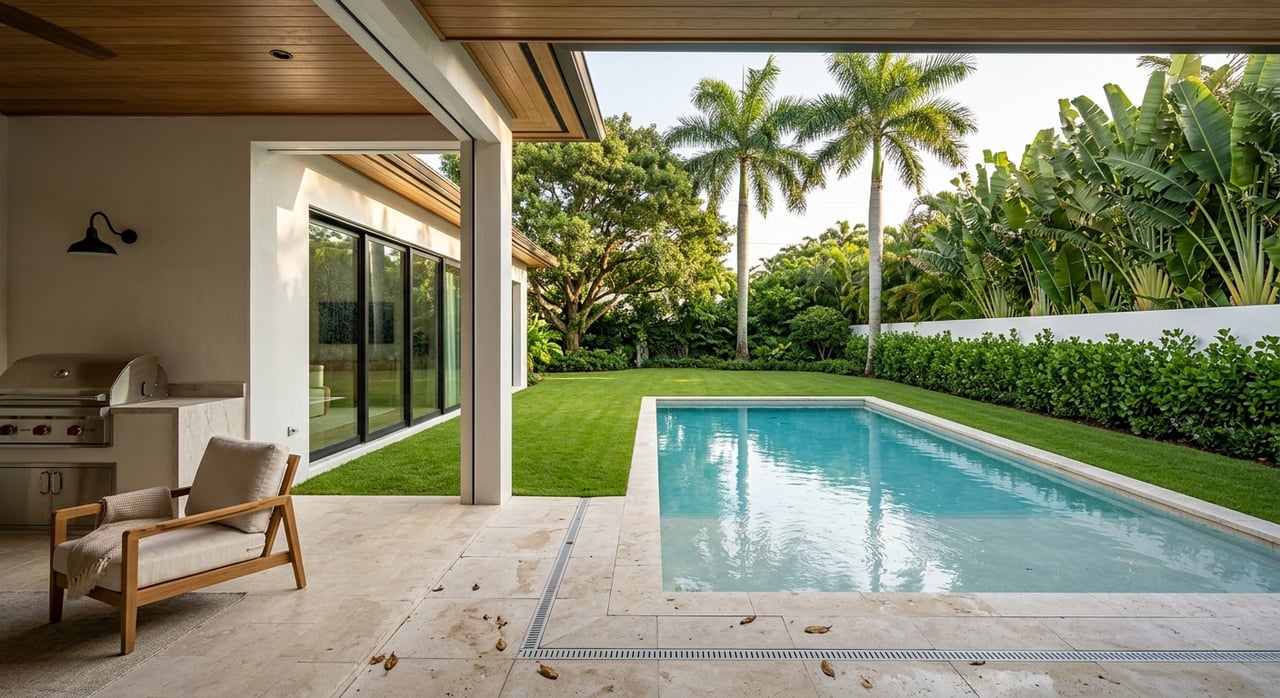
Many Pinecrest buyers want more than a main house. You may be looking for space for a pool expansion, cabana, tennis court, detached structure, or broader outdoor entertaining area. Pinecrest can support that kind of lifestyle, but the process is part of the equation.
The village’s site-plan rules require approval for permitted, conditional, and accessory uses unless exempted. Pinecrest also specifically requires site plan approval for remodels or alterations affecting 50% or more of the floor area, or costing more than 50% of the fair market value of the existing site improvement. If you plan to renovate significantly, that should be part of your purchase analysis from the start.
Variances are possible, but not automatic
Pinecrest allows variances for items such as setbacks, lot width, frontage, lot depth, landscape and open-space requirements, height, and fence or wall rules. But these are discretionary approvals, not guaranteed solutions. It is wise to view them as potential pathways, not purchase assumptions.
The permit package can also be extensive. Pinecrest’s plan requirements call for details related to pool equipment, paving, walks, slabs, walls, fences, planters, driveway information, flood-zone details, and tree-removal planning. If your vision includes a highly programmed outdoor estate, review potential constraints before you close.
Match the Home to Your Daily Routine
Lifestyle in Pinecrest is shaped by both private space and public amenities. The village’s appeal is not built around one downtown core. Instead, it comes from a network of parks, recreation spaces, and convenient corridors that support day-to-day living.
That can be helpful when narrowing your search. If your ideal routine includes outdoor exercise, sports, green space, and easy errands, you may want to map those patterns before you decide which part of Pinecrest fits you best.
Parks and recreation to know
Pinecrest offers several notable public spaces and facilities, including:
- Coral Pine Park, with a great lawn, lighted walking paths, pickleball and tennis courts, and a 2.9-acre pineland preserve
- Evelyn Greer Park, with baseball and soccer fields, a vita course, a tot lot, and a gazebo
- Suniland Park, with athletic fields, a playground, and the village’s off-leash dog park
- Red Road Linear Park, a 2.5-mile lighted walking and bicycle path along Snapper Creek Canal
- Pinecrest Community Center, with a gym, classes, and an outdoor playground
These assets help define the local lifestyle. Depending on how you live, proximity to a walking path, community center, or recreation area may matter just as much as an extra bedroom or larger driveway.
Use Location Within Pinecrest Strategically
Not every part of Pinecrest feels the same in daily life. Pinecrest Parkway, the village’s co-designated name for US 1 within the municipality, shapes the western boundary and supports a strong business corridor. With more than 750 businesses along that edge, access to services can be very convenient.
That creates a useful search framework. If you want quick access to shopping and daily errands, focusing farther west may make sense. If you prioritize a quieter interior residential feel, you may prefer estate streets set farther from the corridor.
Mobility matters too
Kendall Drive and Red Road can also influence how a property lives day to day. The village identifies Kendall Drive as SW 88th Street, and it is building a shared-use path connecting SW 67 Avenue to Red Road as part of its transportation master plan. Red Road Linear Park already runs along Snapper Creek Canal between Kendall Drive and Killian Drive.
If walking, biking, or an active routine is part of your lifestyle, these corridors deserve attention during your home search. In Pinecrest, convenience is not just about car access. It can also be about how easily you connect to outdoor space and movement.
A Smart Pinecrest Estate Strategy
The strongest Pinecrest purchase is usually not the one with the biggest lot on paper. It is the one that gives you the right mix of usable land, privacy, tree canopy, outdoor potential, and daily convenience. In this market, thoughtful site analysis often matters more than headline square footage.
A smart first pass is to compare zoning district, lot geometry, setbacks, green-space rules, and tree constraints before you decide how much flexibility a property really offers. That approach can help you avoid overpaying for land that looks impressive but functions less well than expected.
When you want a Pinecrest estate that aligns with both your space needs and your lifestyle, local insight matters. For tailored guidance on Pinecrest properties, lot potential, and luxury buying strategy, connect with Boschetti Realty Group.
FAQs
What makes Pinecrest attractive for estate buyers?
- Pinecrest offers a tree-lined residential setting with large estate lots, strong open-space character, and convenient access to businesses along Pinecrest Parkway.
How do Pinecrest zoning rules affect an estate purchase?
- Pinecrest zoning can affect density, lot width, lot depth, green space, and building coverage, which all shape how much of a property is truly usable.
Why does lot shape matter when buying in Pinecrest?
- Corner lots and through lots can have different setback rules, which may reduce private backyard space or affect where accessory structures can go.
How do Pinecrest tree rules affect future property changes?
- Protected trees may require permits for removal or relocation, and even pruning must meet village standards, so landscaping plans should be reviewed carefully before purchase.
What should buyers consider for outdoor amenities in Pinecrest?
- If you want features like a pool expansion, cabana, or sports court, you should review site-plan requirements, tree constraints, setbacks, and permit needs early in the process.
How can you choose the right part of Pinecrest for your lifestyle?
- You can compare interior residential streets, access to Pinecrest Parkway, nearby parks, and walking or biking corridors to find the best fit for your daily routine.