By Boschetti Realty Group
Coconut Grove's housing stock is unlike anywhere else in Miami — Old Florida cottages, Mediterranean Revival estates, Bahamian-influenced homes, and contemporary builds all exist within the same neighborhood. That architectural diversity is part of what makes the Grove so appealing, and it's also what makes home inspections here more complex than in most South Florida markets. We guide every buyer we work with through this process carefully, and here's what you actually need to know before you close on a Coconut Grove property.
Key Takeaways
- Home inspections in Coconut Grove need to address both standard residential concerns and specific coastal and historic construction considerations.
- Miami's climate — heat, humidity, salt air — creates specific vulnerabilities in older Coconut Grove homes that require targeted inspection attention.
- The inspection contingency period is your most important buyer protection — use it fully and order specialist follow-up inspections when the general report flags concerns.
- Understanding what an inspection does and doesn't cover helps buyers plan appropriately for what comes next.
Why Coconut Grove Inspections Are Different
Buying in Coconut Grove means evaluating properties that range from early 20th-century coral rock construction to brand-new luxury builds — and every decade in between. An inspector who primarily works with newer South Florida construction may miss the specific concerns of a 1940s cottage on Oak Avenue or a Mediterranean Revival home near Peacock Park. We always recommend inspectors with direct experience in the Grove's specific building stock.
Beyond age, Miami's subtropical climate creates ongoing challenges that make Coconut Grove inspections more demanding than most. Saltwater air accelerates corrosion on HVAC systems and metal components. High humidity creates moisture infiltration and mold risk — particularly in older homes with plaster walls and original wood framing. Hurricane exposure history is relevant for any property that has been through multiple South Florida storm seasons.
Beyond age, Miami's subtropical climate creates ongoing challenges that make Coconut Grove inspections more demanding than most. Saltwater air accelerates corrosion on HVAC systems and metal components. High humidity creates moisture infiltration and mold risk — particularly in older homes with plaster walls and original wood framing. Hurricane exposure history is relevant for any property that has been through multiple South Florida storm seasons.
Coconut Grove-Specific Concerns That Require Inspection Attention
- Roof condition and hurricane strap compliance — critical in any coastal Miami property
- HVAC systems — corrosion from salt air on outdoor condensing units is common
- Moisture and mold — particularly in older homes with original plaster walls
- Foundation and structural elements — settling in the Grove's varied soil conditions
- Historic building materials — lead paint, original plumbing, and outdated electrical in pre-war homes
What a Standard Home Inspection Covers
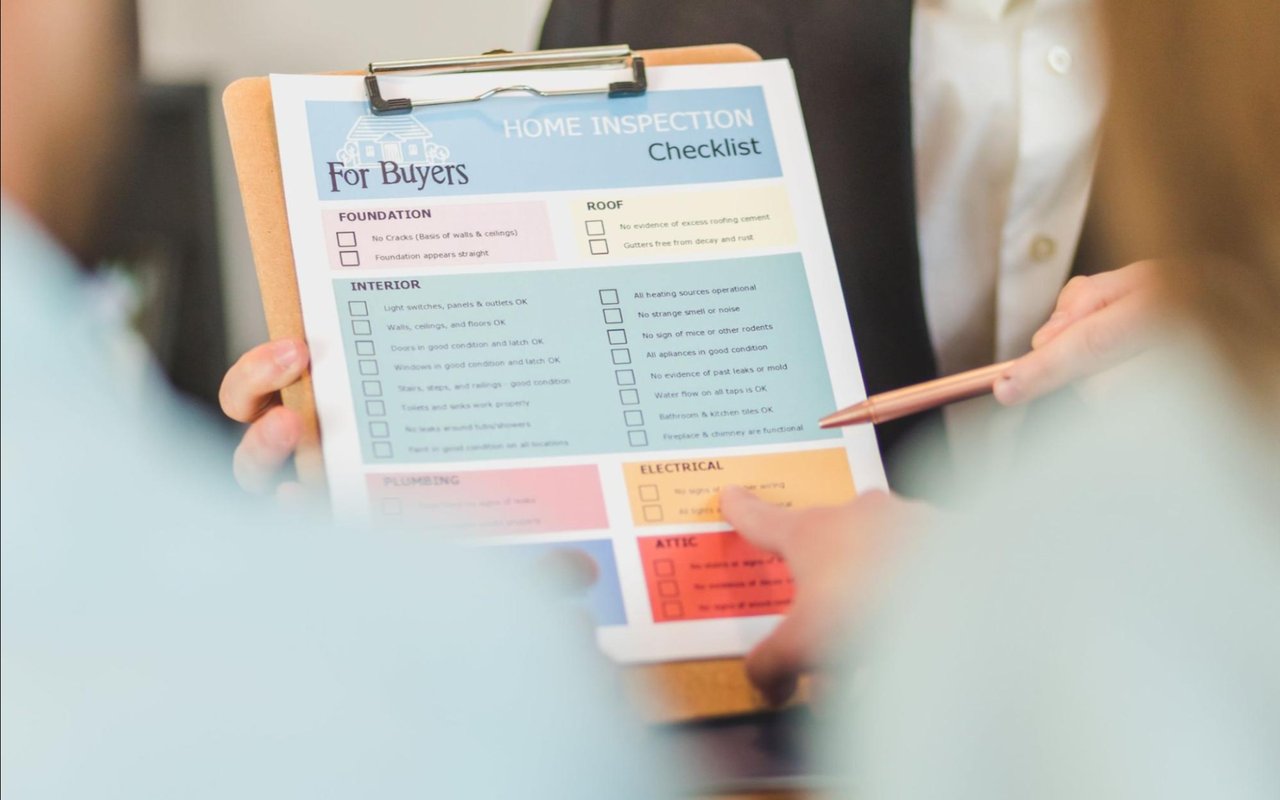
A standard home inspection is a visual examination of the property's accessible systems — structural elements, roofing, electrical, plumbing, and HVAC — conducted by a licensed inspector. It gives buyers a clear picture of the home's condition before closing and identifies items that need repair, further investigation, or disclosure.
In Coconut Grove, we always advise buyers to review the inspector's experience with historic and coastal Miami properties specifically before booking. The inspector who knows the difference between normal settling in a 1920s Grove home and a structural concern, and who understands what to look for in original Dade County pine construction, is more valuable than a general residential inspector at the same price.
In Coconut Grove, we always advise buyers to review the inspector's experience with historic and coastal Miami properties specifically before booking. The inspector who knows the difference between normal settling in a 1920s Grove home and a structural concern, and who understands what to look for in original Dade County pine construction, is more valuable than a general residential inspector at the same price.
What a Coconut Grove Home Inspection Should Cover
- Structural integrity — including foundation, framing, and any signs of storm damage
- Roof — condition, age, and hurricane resistance; flashing and gutter function
- Electrical — panel, wiring, and any concerns specific to the home's age
- Plumbing — supply lines, drainage, water heater age and condition
- HVAC — function, efficiency, and corrosion assessment for outdoor units
- Windows and doors — condition, sealing, and impact resistance status
Specialty Inspections Worth Ordering in the Grove
Beyond the standard inspection, several specialty assessments are particularly valuable for Coconut Grove properties. We advise buyers on which are most relevant for each property based on age, construction type, and location.
A four-point inspection — covering roof, electrical, plumbing, and HVAC — is often required by insurers for older properties and gives a condensed summary of the systems that most affect insurance eligibility and cost. A wind mitigation inspection evaluates the home's hurricane resistance and can significantly reduce homeowners insurance premiums for properties with favorable construction details.
For older Grove properties, a WDO (wood-destroying organism) inspection — covering termites and other wood-damaging pests common in South Florida — is often required by lenders and always worth ordering. For any property with significant moisture findings on the general inspection, a dedicated mold assessment provides the detail needed to understand scope and remediation cost.
A four-point inspection — covering roof, electrical, plumbing, and HVAC — is often required by insurers for older properties and gives a condensed summary of the systems that most affect insurance eligibility and cost. A wind mitigation inspection evaluates the home's hurricane resistance and can significantly reduce homeowners insurance premiums for properties with favorable construction details.
For older Grove properties, a WDO (wood-destroying organism) inspection — covering termites and other wood-damaging pests common in South Florida — is often required by lenders and always worth ordering. For any property with significant moisture findings on the general inspection, a dedicated mold assessment provides the detail needed to understand scope and remediation cost.
Specialty Inspections to Consider for Coconut Grove Properties
- Four-point inspection — often required by insurers for homes over 25–30 years old
- Wind mitigation inspection — affects insurance cost; often delivers meaningful premium savings
- WDO/termite inspection — essential in South Florida's pest environment
- Mold assessment — if the general inspection flags moisture or visible mold
- Pool and dock inspection — for properties with waterfront features or private pools
- Sewer scope — for older properties without recent plumbing history
Using the Inspection Contingency Effectively
The inspection contingency gives buyers the right to inspect the property and to negotiate, accept, or exit based on findings. In Coconut Grove's market — where properties can carry complex histories and buyers are making significant investments — using this contingency fully is essential.
Once you have the report, we work through findings with every buyer: identifying safety items that need addressing before close, items that warrant negotiation, and items that are normal wear for the property's age. The goal isn't to demand perfection — it's to make sure you understand exactly what you're buying and that the price reflects the property's actual condition.
Once you have the report, we work through findings with every buyer: identifying safety items that need addressing before close, items that warrant negotiation, and items that are normal wear for the property's age. The goal isn't to demand perfection — it's to make sure you understand exactly what you're buying and that the price reflects the property's actual condition.
Frequently Asked Questions
Should we attend the home inspection in person?
Yes, and we strongly recommend it. Walking through the property with the inspector provides context that the written report alone doesn't convey. You can ask questions in real time, understand the severity of findings directly, and leave with a much clearer sense of the home overall.
What happens if the inspection reveals significant issues with a Coconut Grove property?
We work through the findings with you and determine the appropriate response — repair requests, price reduction, seller credit, or in serious cases, exit under the contingency with earnest money returned. The right strategy depends on the severity of the finding, the cost to remediate, and the competitive context of the specific transaction.
Are historic homes in Coconut Grove riskier to buy from an inspection standpoint?
They carry different considerations than newer construction — original materials, older systems, and the maintenance history of a property that's been through decades of South Florida climate. That's not the same as being riskier, but it does mean the inspection process needs to be more thorough and the inspector more experienced. We match buyers with inspectors who know what they're looking at in older Grove properties.
Reach Out to Boschetti Realty Group Today
Navigating a home inspection in Coconut Grove requires local knowledge and experienced guidance — and that's exactly what we bring to every buyer we represent in the Grove. From inspector selection through negotiation, we're with you at every step.
Reach out to us at Boschetti Realty Group and let's talk about buying your next home in Coconut Grove.
Reach out to us at Boschetti Realty Group and let's talk about buying your next home in Coconut Grove.